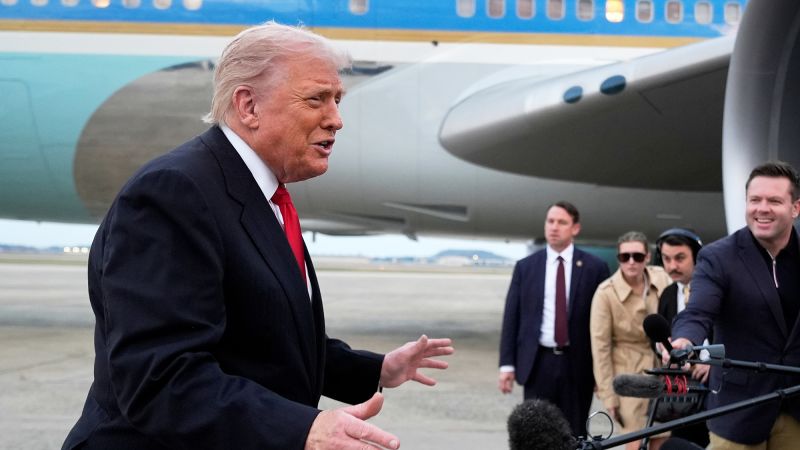
President Donald Trump, embattled by America’s growing affordability problems, has once again floated a unique solution: Sending Americans rebate checks for the tariffs that his administration has collected.
The text uses biased language to portray Trump's proposal in a negative light.
The text selectively reports on Trump's proposal for tariff rebate checks without providing a comprehensive analysis of the potential drawbacks and complications.
The text misdirects by focusing on the potential complications and challenges of Trump's proposal without fully exploring its feasibility or benefits.
Trump uses emotive language to appeal to Americans' financial concerns and portrays those against tariffs as foolish.
Trump stereotypes those against tariffs as fools.
The text cherry-picks data to support the idea of tariff rebate checks without presenting a balanced view of the potential consequences.
The text frames the issue of tariff rebate checks in a way that emphasizes potential negative outcomes and complications.
The text uses fear-mongering by suggesting that sending out rebate checks could exacerbate rising prices and negatively impact the economy.
The text presents Trump's proposal without providing a balanced view of the potential drawbacks and challenges.
The text includes out-of-context quotes from Trump's statements to support a particular narrative.
The text uses sensational language in the headlines to attract attention.
The text manipulates facts by presenting a one-sided view of Trump's proposal for tariff rebate checks.
The text falsely equates the potential impact of tariff rebate checks with past stimulus checks without considering the differences in economic contexts.
The text repeats the idea of tariff rebate checks and their potential complications multiple times to emphasize a particular viewpoint.